
Are Funeral Celebrants Dead?
A couple of days ago I read a celebrant’s article about the downsides of direct cremation due to a warehouse for people opting for this at the end of their lives having been given planning permission in her area.
One response to the comments suggested that celebrants are only opposed to direct cremations because they are nasty, money grubbing leaches who are upset that their income stream has dried up and will be obsolete in 10 years.
Understandably, I disagree.
A funeral celebrant is with loved ones during their most vulnerable moments, so we have experienced the many forms grief takes. A funeral may not be right for everyone, but the vast majority of people need a way to say goodbye. We have had farewell rituals since time immemorial because people need them and value them as a way to say their farewells, honour their loved ones and take the first steps toward moving forward. They don’t need to take the form of a funeral; there are many other ways to say goodbye. Celebrancy has always been a uniquely flexible way of working, so whatever way a person’s loved ones feel is right for them to say goodbye, we can facilitate it.

We also know that most people wish for dignity at the end of their life and in the days following their death. Their loved ones wish this for them too. At this most vulnerable of times, it can come as a tremendous shock to relatives when a loved one’s body is removed in an undignified or disrespectful manner to be stored in a warehouse many miles away and cremated on a distant production line. I accept that there are people who want this to be their ending, even if I can’t understand it myself. If that’s the case, I strongly believe that they should discuss it with their loved ones while they are still alive so that the ‘no frills’ service does not come as a shock and cause trauma at a time of grief.
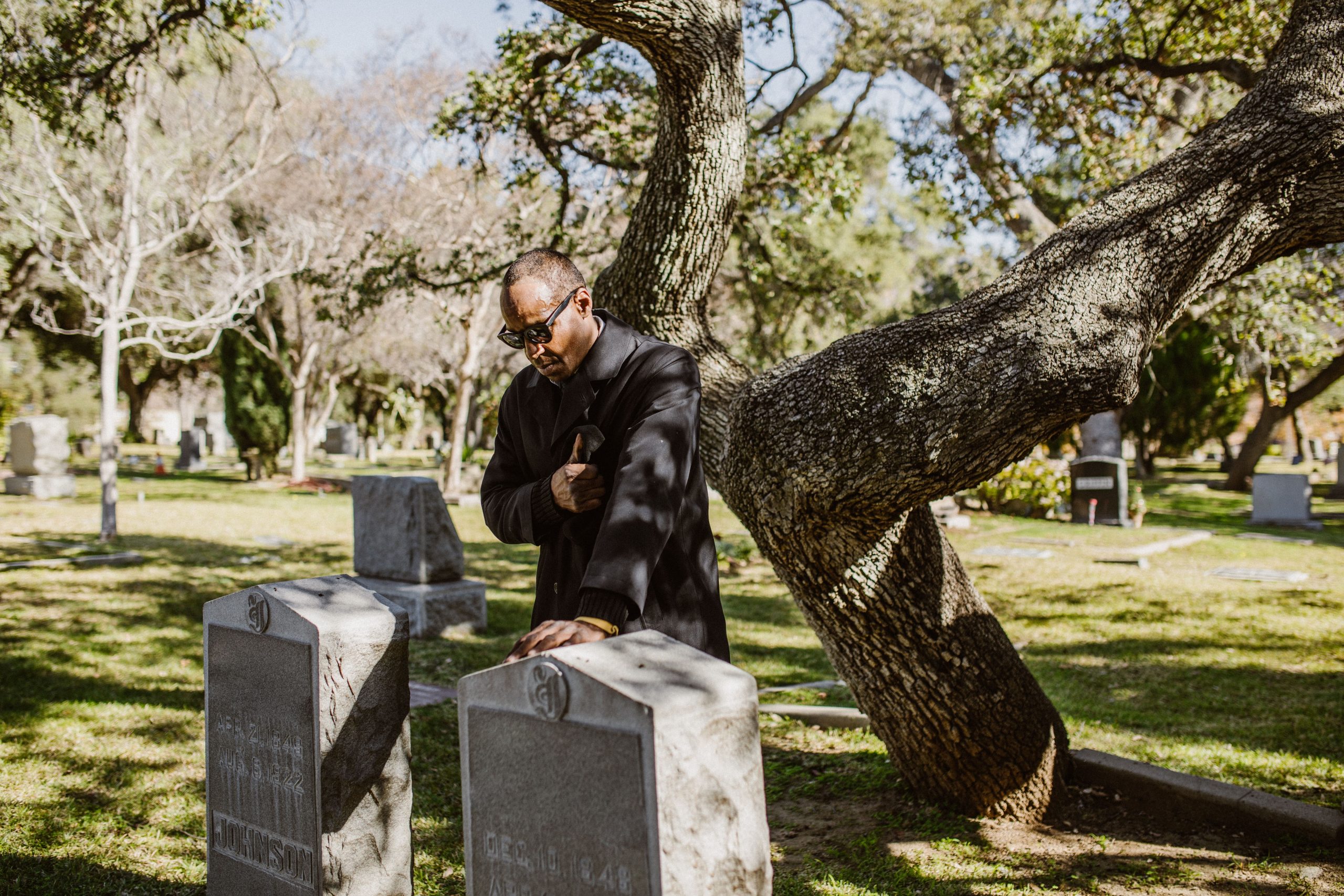
I don’t think that the need for goodbye rituals will go away as long as there is love in the world. Even if a person appears to die alone there is often somebody alive who will miss them, even if it is a neighbour with whom they exchanged greetings, and perhaps shared a cup of tea, or a carer who got to know them during their final months. Even if ‘no frills’ endings become the norm, that doesn’t negate the need for a farewell ceremony at some future time. I was speaking yesterday with a friend who is a nurse and has seen a lot of death. She believes we conclude our farewell rituals too soon, and that a celebration of life or a memorial service some time after the death may be a more meaningful way for some people to say goodbye than a funeral.
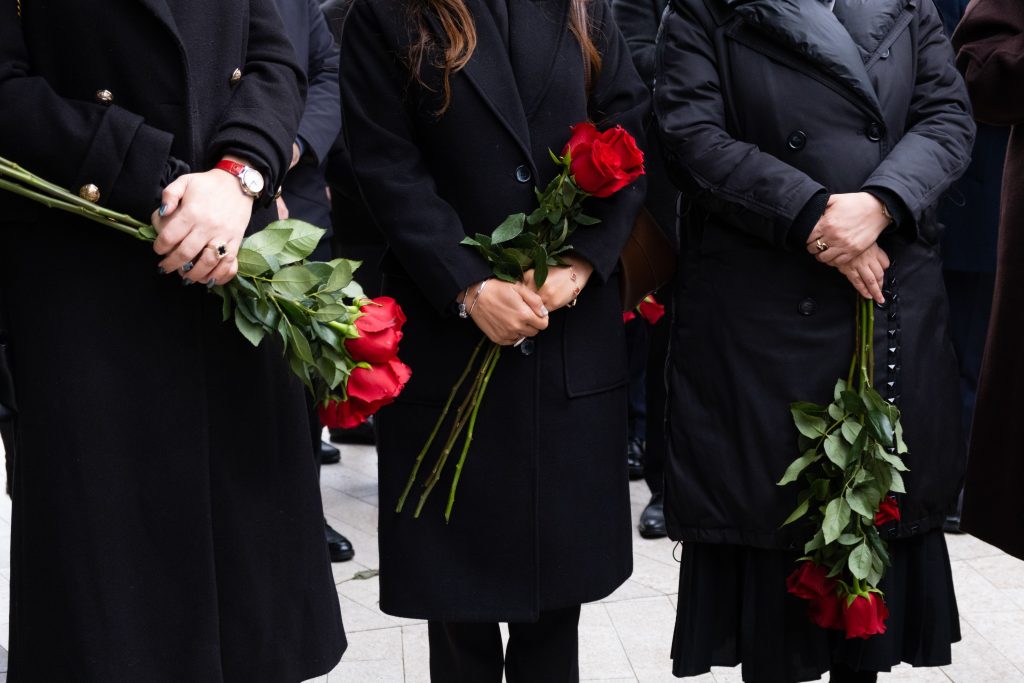
As long as there is a need for farewell rituals there will be a need for celebrants. Indeed, as the desire for different ways of saying goodbye grows, so will the desire for people who are flexible, creative and empathetic to facilitate them. This is where celebrants really come into their own.
Lastly, let’s address the elephant in the room; money. The cost of a funeral celebrant is around £300; less than a tenth of the cost of a non-direct cremation, so it really is quite a small percentage of your funeral costs. This represents many hours of work getting to know the family and creating a bespoke ceremony as well as leading the ceremony on the day. A funeral celebrant is unlikely to get rich, but we do need to pay the bills like everybody else. It is not shameful to earn income to do so. Quite the reverse.
I certainly have no plans to become obsolete in ten years’ time. On the contrary, my aspiration is to have had the privilege of facilitating a great many ceremonies by then and be an experienced celebrant with the skills, expertise and reputation that everyone wants. That way I can continue to serve you at the times that matter.