Namings beyond the Norm
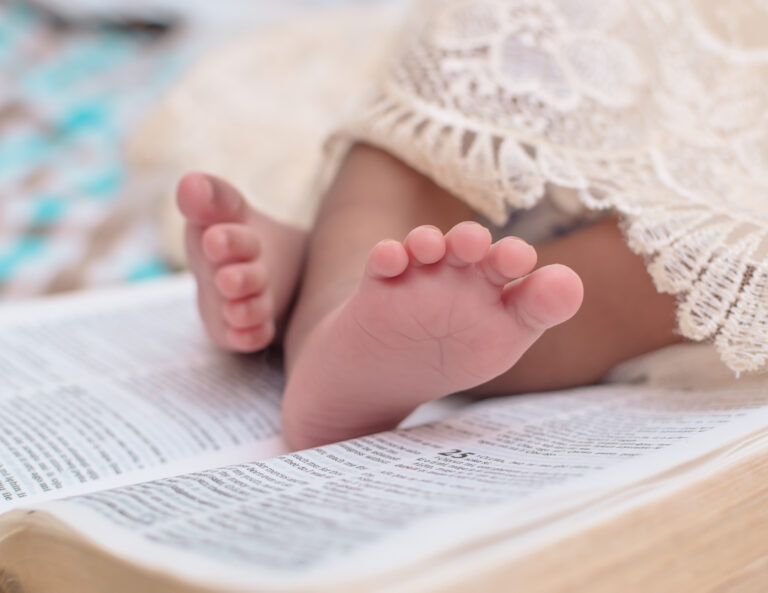
I’ve recently acquired a new cousin. She is absolutely adorable and has already brought great joy to her parents, aunties and grandparents. She is truly a tiny blessing. So, of course, my thoughts turn to naming ceremonies. Perhaps that’s what you also think about when a new baby enters the world. Perhaps the only time you’ve encountered a naming ceremony, likely in the form of a Christening, is to welcome a new baby into the world. You might be surprised to discover that there are many more times when a person might be named, and they and their loved ones could choose to mark the occasion with a ceremony. Here are some of the possibilities.
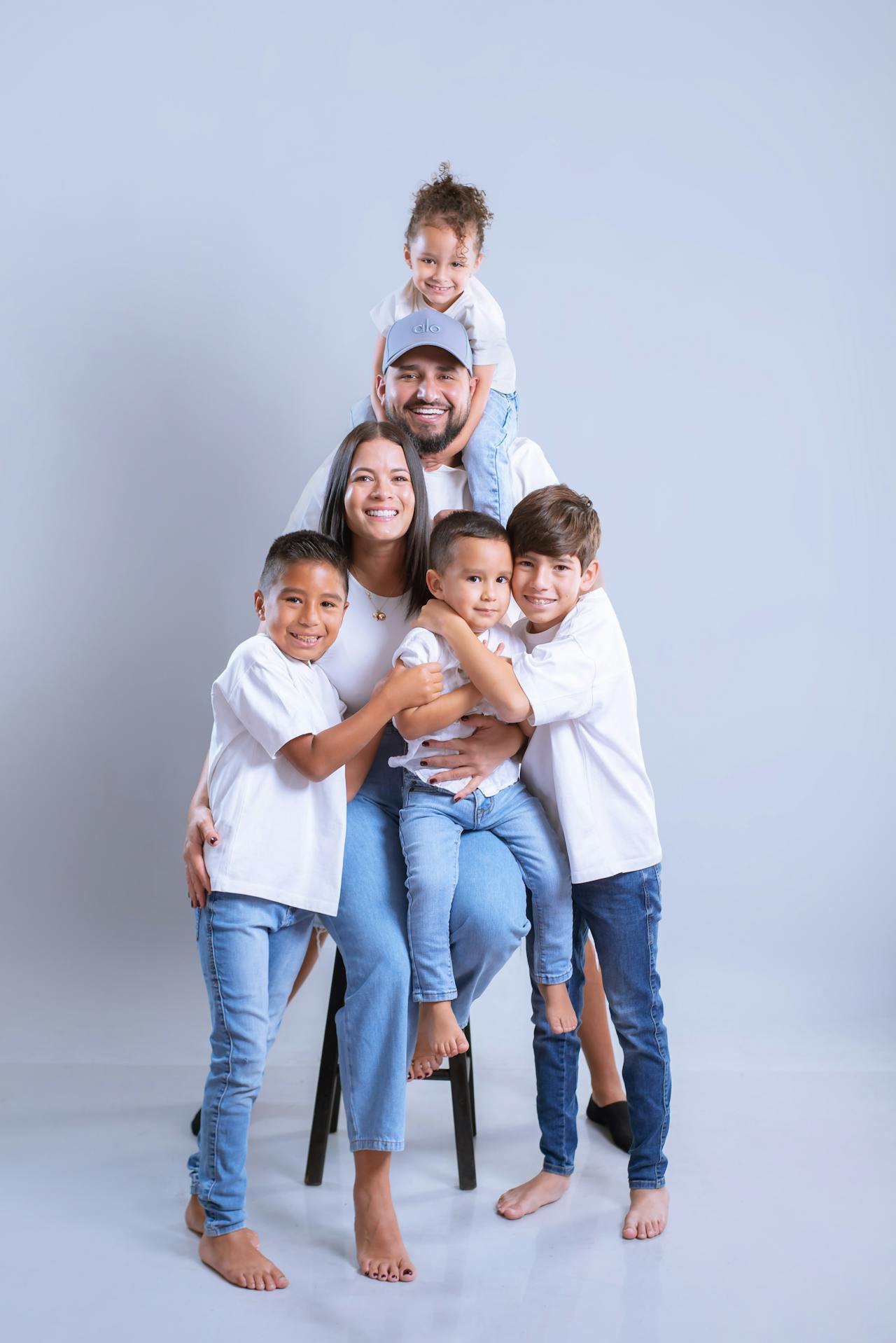
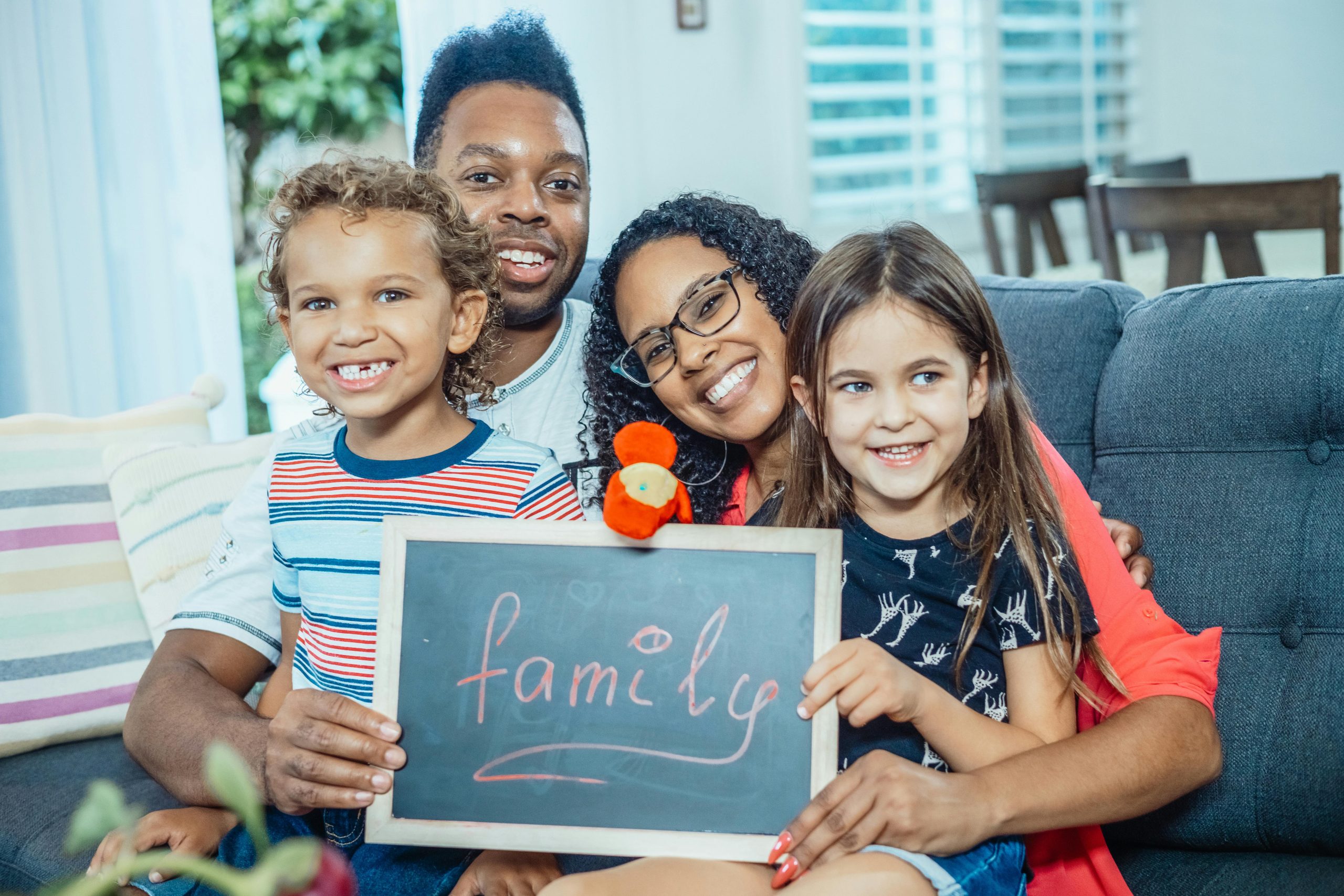
Blended families, where two people with children from previous relationships come together to form a family, are becoming increasingly common. Sometimes, this transition can be challenging for the children involved. A ceremony may help to bring the family together, not only giving them a shared name, but the opportunity to discuss what it means to be a family and to express this through a ceremony. This could be incorporated within a wedding ceremony, or become a stand-alone ceremony in its own right.
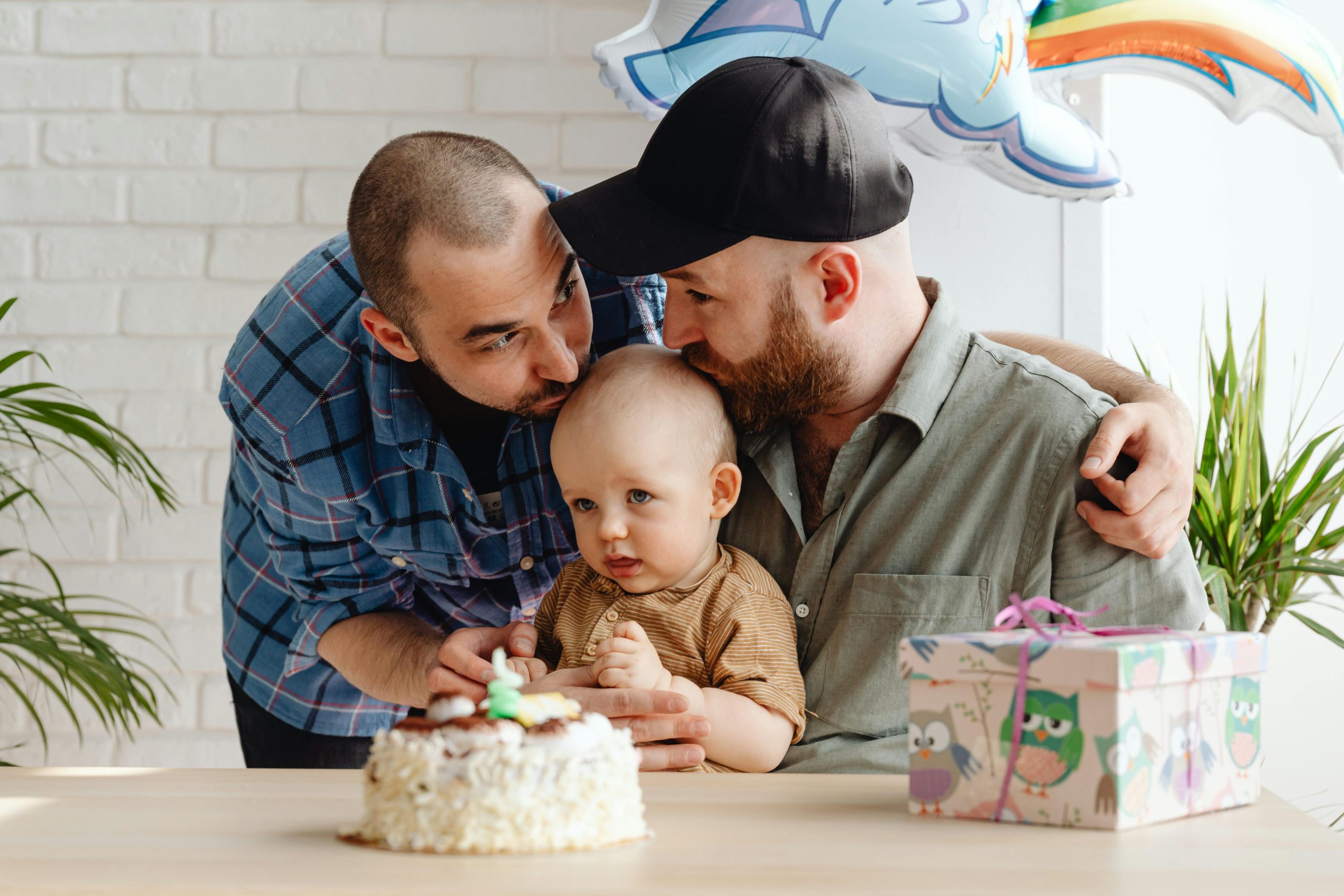
Adoption is less common now than in the past. When it happens, adoptees are often older children who may have been in the care system, and can be struggling with their sense of identity. There can also be an outdated stigma around adoption, which can affect both the child and the adoptive parents. A ceremony can be a wonderful way of celebrating the togetherness of the new family, allowing an older child to take part in their own right, and showing anyone who may be in doubt that the adoptive family is as valid, as loving and as worthy of celebration as any other.
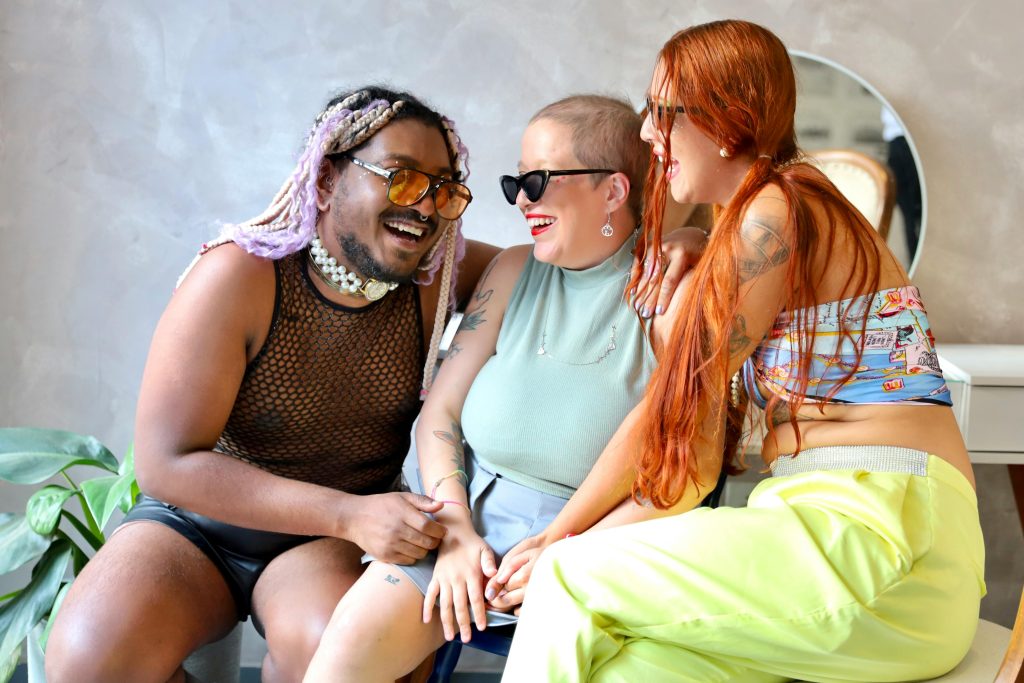
Gender transitions are a complex and emotional life change, which can take many years to come to fruition. During the transition period, a person’s concept of their identity can shift fundamentally. They are also likely to find out who their real friends are; some will abandon them on their journey, while the most loyal will walk by their side. When the transition takes place and the person is ready to embrace their identity fully, they may want to mark the occasion with the people who matter and make their new name official. A ceremony can facilitate this and, because each ceremony is written just for the person involved, can do so in a unique and authentic way.
Getting divorced can be one of the most painful times in a person’s life. However, afterwards, a woman may wish to re-adopt her maiden name and mark her transition to being a single woman once more, or perhaps part of a new relationship. She may choose to have a ceremony to re-adopt her maiden name and to honour the family and friends who have supported her and enabled her to arrive successfully at this point in time.

Have you ever been to an naming ceremony beyond the norm? I’d love to hear about your experiences. If you’re considering such a ceremony, I’d love to be part of it. Do get in touch so we can talk about how to create a ceremony that’s perfect for your naming day.